Get checking and savings accounts. Sock away money for 1) retirement and 2) emergencies. Automate! |
|
|
Photo illustration by Will Lanzoni/CNN |
When we were putting this series together, the biggest topic that kept coming up was money. The way investments are managed can seem needlessly complex, and even predatory, at times. But unless you have a secret aunt somewhere ready to will you a large fortune, you're going to have to play the game to some extent. You might as well play it smart (and safe). |
|
| No really, you don't need thousands in the bank to start saving! To begin, focus your money, no matter how much, on these two main goals: |
|
|
Once you have those started, make a note of all the other ways you could be saving. The easiest way to get an account started is through a bank or credit union. You should have two accounts: A checking account is where you'll deposit any paychecks or other incoming funds, and withdraw money to pay for your daily needs. A savings account is great for goals and an emergency stash, which should be liquid (that is, money you can access easily at any time). Keeping your money organized this way makes it easier to see how you're progressing with your financial goals. |
|
|
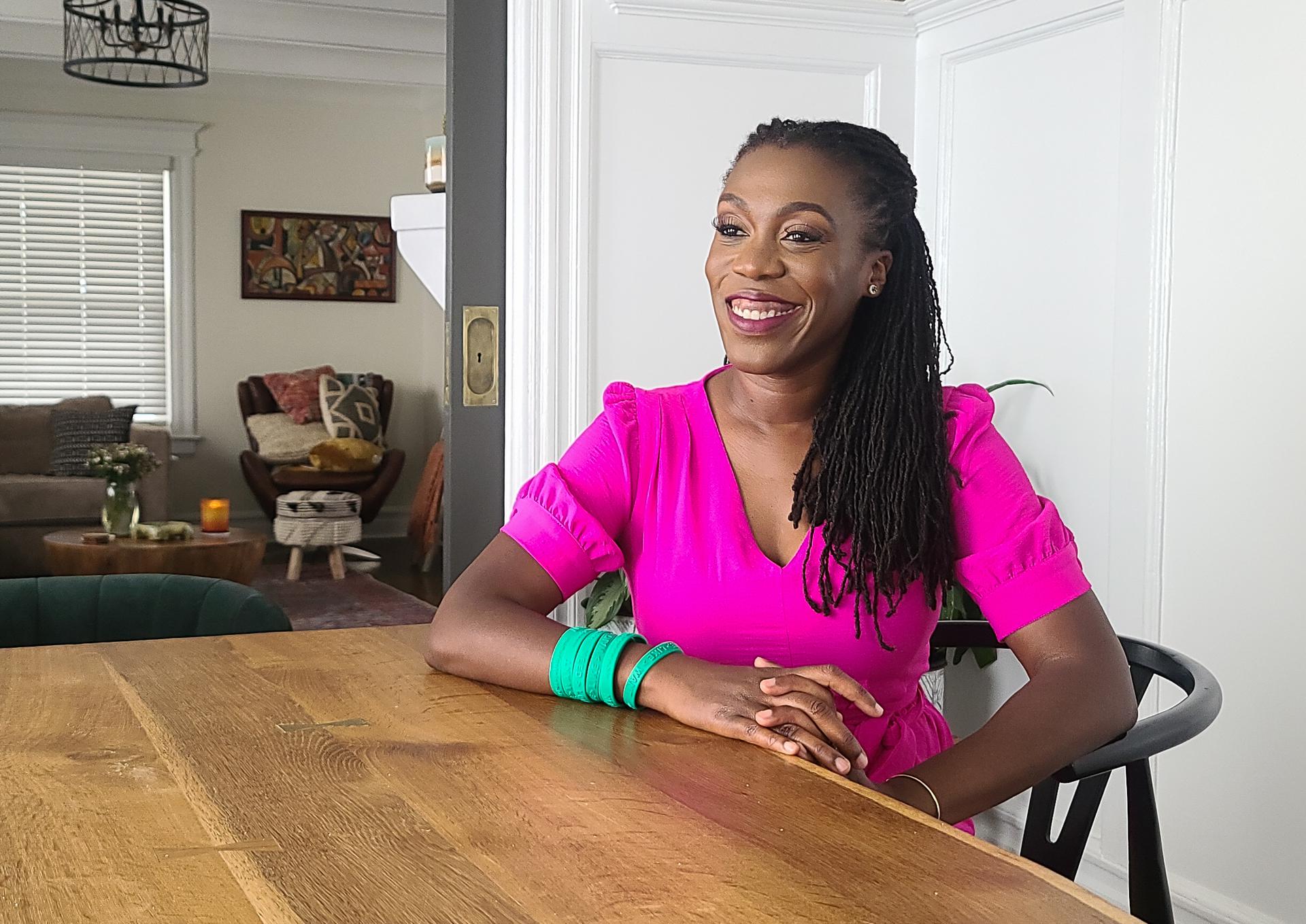
Tiffany Aliche of The Budgetnista |
|
|
Tiffany Aliche's father was a finance whiz who imparted his wisdom to her through weekly money lessons. Even so, when she lost her job in the 2000s, she found herself flat broke and six figures in debt. Those hard times led Aliche to truly appreciate the three ways money functions: for emergencies, goals and investments. "I'd be like, 'I don't get it. How do people get rich? It's because I was saving but almost saving to spend, not saving to invest as well." She recommends setting aside 10% to 20% of your income for investments. So remember, it may seem early to start investing. But when life hits a bump in the road later, you'll be glad you did. |
|
|
At some point, you might get a 401(k), which is an employer-sponsored savings account. You can designate a portion of your paycheck to be automatically deposited every period, which will make you sad for now, but all the more secure in the long run. There's so much to know about 401(k)s, but these points are key: |
- Some companies will match your contribution up to a certain amount. Be sure to take advantage — it's basically free money! Failing to do this is among the most common money mistakes.
- Take it with you when you go! A lot of people get burned because they don't know you have to roll, or transfer, your 401(k) to your new employer when you switch jobs.
If you don't have a 401(k) or a 403(b), a similar program for employees of certain public and tax-exempt organizations, you can still start an IRA — individual retirement account — or a Roth IRA. An IRA has long-term benefits and allows for different kinds of investments. The trade-off? You shouldn't touch them until you're older, or whatever you take out could be heavily taxed. |
|
|
You can't get a loan (or a place to live) without a credit score. |
|
|
Fiction, but with some caveats. Credit scores are essentially proof that you aren't awful with money. A good credit score can help you rent a new place, buy a new car and get good rates on loans. (If you don't have any credit, you can usually offer proof of reliable income or have a relative cosign a loan or rental agreement.) The easiest way to build credit is with — surprise! — a credit card. That comes with its own pitfalls, though, so to avoid going into accidental debt, find a credit card with a low limit that you can pay down painlessly every month. If you have already messed up your credit score, don't fear! There are steps you can take to turn it around, including cleaning up missed payments and reducing your credit usage. | |
|
When it came to basic financial literacy, 2 out of 3 Gen Z adults answered only 50% or fewer questions correctly in a 2021 survey. |
|
|
This week, determine a comfortable amount you can live without every month, and set up an automatic deposit to your (shiny new) savings account. Ask yourself: What's my biggest financial burden right now? How can I help chip away at it? |
|
|
Questions? Feedback? Songs of praise? Message the Life, But Better team at adulting@cnn.com. Most of us are adults, after all. |
|
|
| ® © 2024 Cable News Network. A Warner Bros. Discovery Company. All Rights Reserved.
1050 Techwood Drive NW, Atlanta, GA 30318 |
|
|
|
|
|
|
|