Look around the room and consider how many things are made of plastic. It's overwhelming: TVs, computer peripherals, food containers, writing utensils, garbage bags, toiletries, mail packaging. These items started out as fossil fuels like natural gas and oil and were refined into the products we now depend on. What you might not realize is plastic isn't just a pollution problem. It's a climate problem. |
|
|
Making plastic is wreaking havoc on the planet, and recycling is doing little more than easing our guilt. |
|
|
Plastic is ubiquitous for a reason -- it's cheap, easy to make and the resulting products have clearly improved our lives. (Can you imagine squeezing toothpaste out of anything else?) It also revolutionized health care, which is safer, cleaner and cheaper because of it. The problem is the single-use stuff: Plastic bottled water and soda, disposable face masks, coffee stir sticks and pretty much every single piece of food packaging. If we stand any chance of getting the climate crisis under control, we need to wean off it. Plastic is responsible for at least 232 million tons of planet-warming emissions each year in the US, according to a 2021 report, and most of that happens during its production. That's the same impact as nearly half the country's registered cars. By the time we start talking about recycling, the damage has already been done. |
|
|
Society is addicted to plastic, and we need big-picture solutions to solve this mammoth problem. |
But don't throw in the towel. Commit to using less plastic, and prioritize durability and longevity over convenience. Here's where to start. |
Do an audit of the plastic in your home so you know what you can change. |
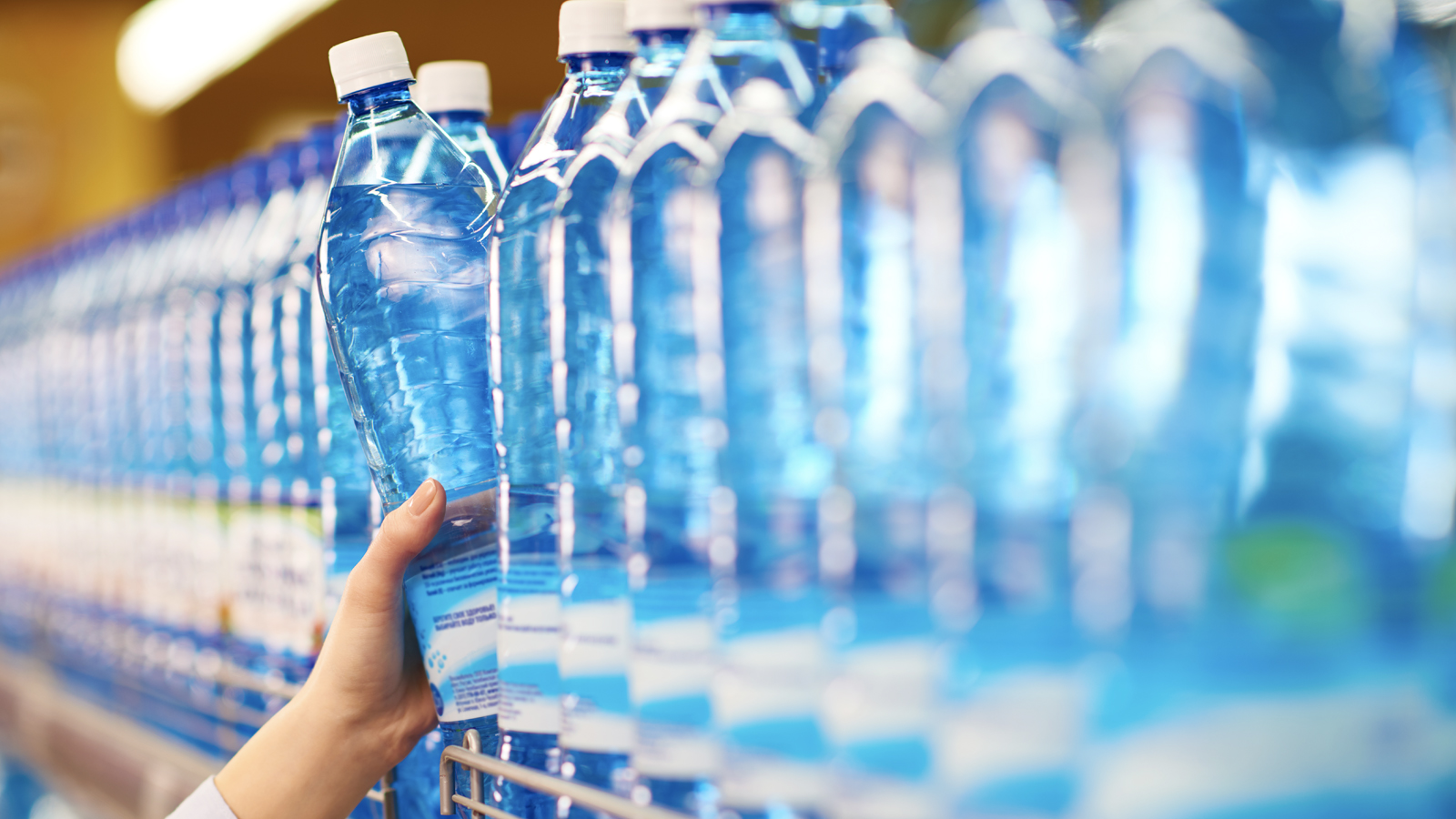
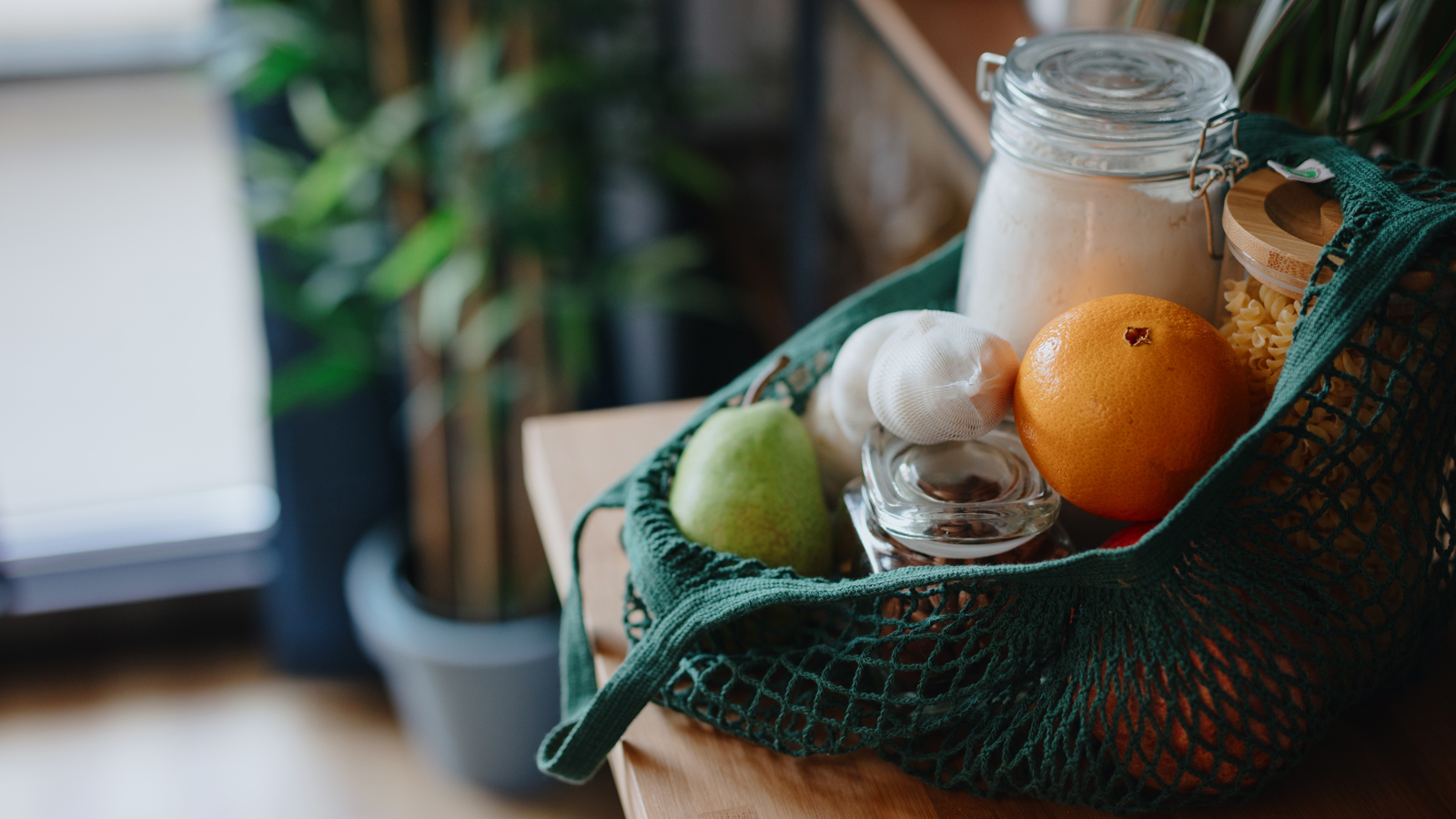
| | Then start ticking off replacements. Say no to bottled water: Get a few reusable water bottles or canteens, fill them with filtered tap water and cut a major source of plastic out of your life. Skip plastic grocery and produce bags: Have a reusable bag to carry your produce in until you get to the checkout. And bring your own reusable grocery bags, too. Choose paper (or no) packaging over plastic: Vote with your wallet by choosing non-plastic packaging. You might try bar shampoo – which eliminates the plastic bottle -- and beeswax food wrap. Buy in bulk: Bring reusable containers for nuts, beans and rice in the bulk section at the grocery. At bulk-only stores you can buy detergents, lotions and even toothpaste in bulk. The Zero Waste Home app can help you track down the nearest buy-in-bulk stores. |
|
|
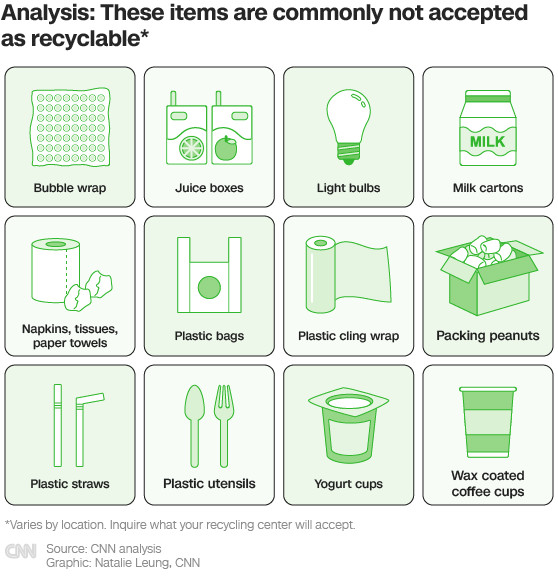
Online shopping comes with A LOT of plastic. You probably already know that packaging plastic cannot be recycled, so it's time to talk about the elephant in the room. Recycling The ugly truth is that the vast majority of plastic we think we're recycling actually ends up in the landfill. Around 90% of plastics are not recycled, according to the Environmental Protection Agency. Cans, glass and paper should absolutely be put in the recycling bin. But plastic? So complicated. Without getting bogged down in the details, here's the rule: The number on the bottom of a plastic item is not a guarantee it will be recycled. Only containers marked 1 and 2 -- and on rare occasion, 5 -- are sure bets. You might as well throw everything else in the landfill because that's where it goes after it visits the sorting facility. |
|
|
Paper straws -- a trend that has triggered heated debate at the Thanksgiving dinner table and not an insignificant amount of backlash in pop culture. |
|
|
We don't want to deride the sentiment of the paper straw; its heart is in the right place. But swapping your plastic straw for paper or stainless steel isn't going to solve the climate crisis. No single plastic-conversion action is. We bring this up because it's important to recognize, for your own sanity, that there's only so much you can do as an individual. Just as society must shift away from fossil fuel energy to renewables, it also needs big-picture solutions on plastic. |
|
|
Kimberly Flores left a career as an environmental journalist and opened FulFILLed, a Utah-based mobile refillery where customers can get soap, lotions and hygiene products without single-use plastics. |
|
|
Do the plastics home audit and pick three things that you're going to un-plastic. Are you going to swap to reusable, silicone sandwich bags? Keep a set of bamboo cutlery at work for your take-out lunches? Or maybe this process has sparked a new idea that we didn't mention here. Tell us how it goes by reaching out to lifebutgreener@cnn.com. |
|
|
| ® © 2024 Cable News Network. A Warner Bros. Discovery Company. All Rights Reserved.
1050 Techwood Drive NW, Atlanta, GA 30318 |
|
|
|
|
|
|
|